Moving to Norway often changes the way people think about their homes. Apartments can be smaller than expected, winters are long, and everyday life tends to focus more on practicality than appearance.
A good home does not have to be perfect. It does not need to follow every interior trend or constantly be filled with new things to feel comfortable and useful.
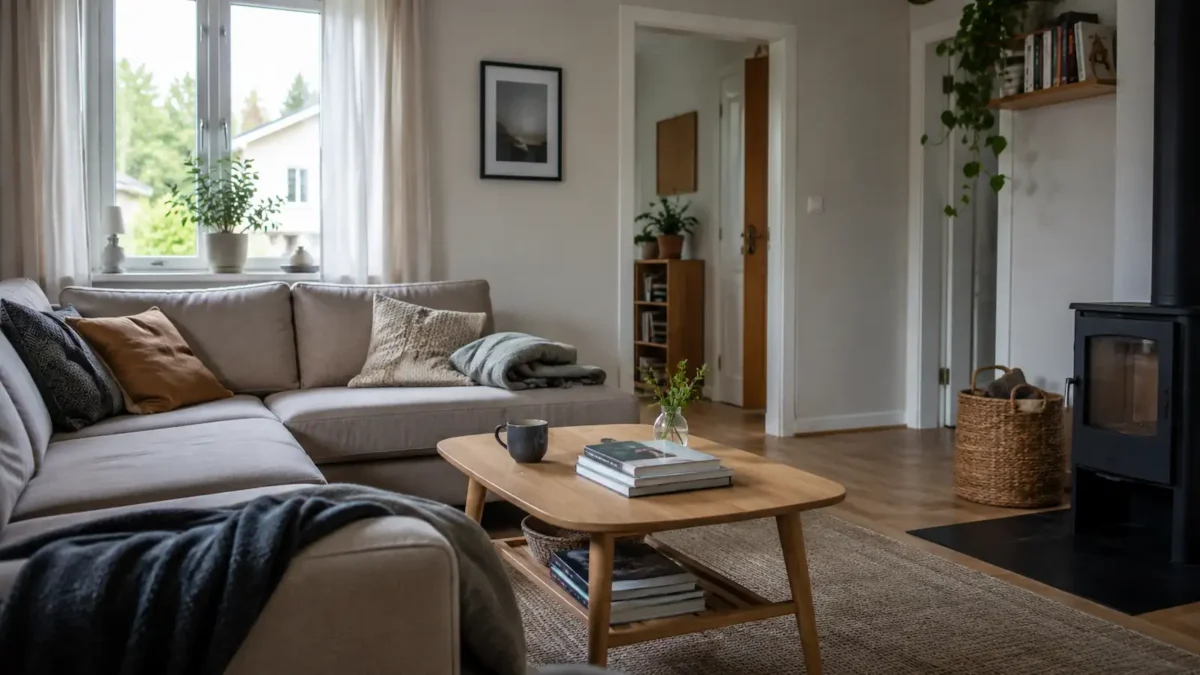
At Pifada, we see a home as a place that should support everyday life. It is where we cook, rest, work, store our belongings and try to make daily routines a little easier.
We do not see a home as a project that is ever truly finished. We see it as a place that should work well every day.
That is why the Home section on Pifada focuses on practical choices that make life in Norway easier: better use of space, less friction, more comfort and solutions that fit the way people actually live.
Before Making Changes at Home
When something feels inconvenient at home, it is easy to assume that buying something new will solve the problem. Sometimes it does. More often, the real issue is something else. Before rearranging furniture, buying storage or starting a new project, it helps to pause for a moment and look at the situation more closely.
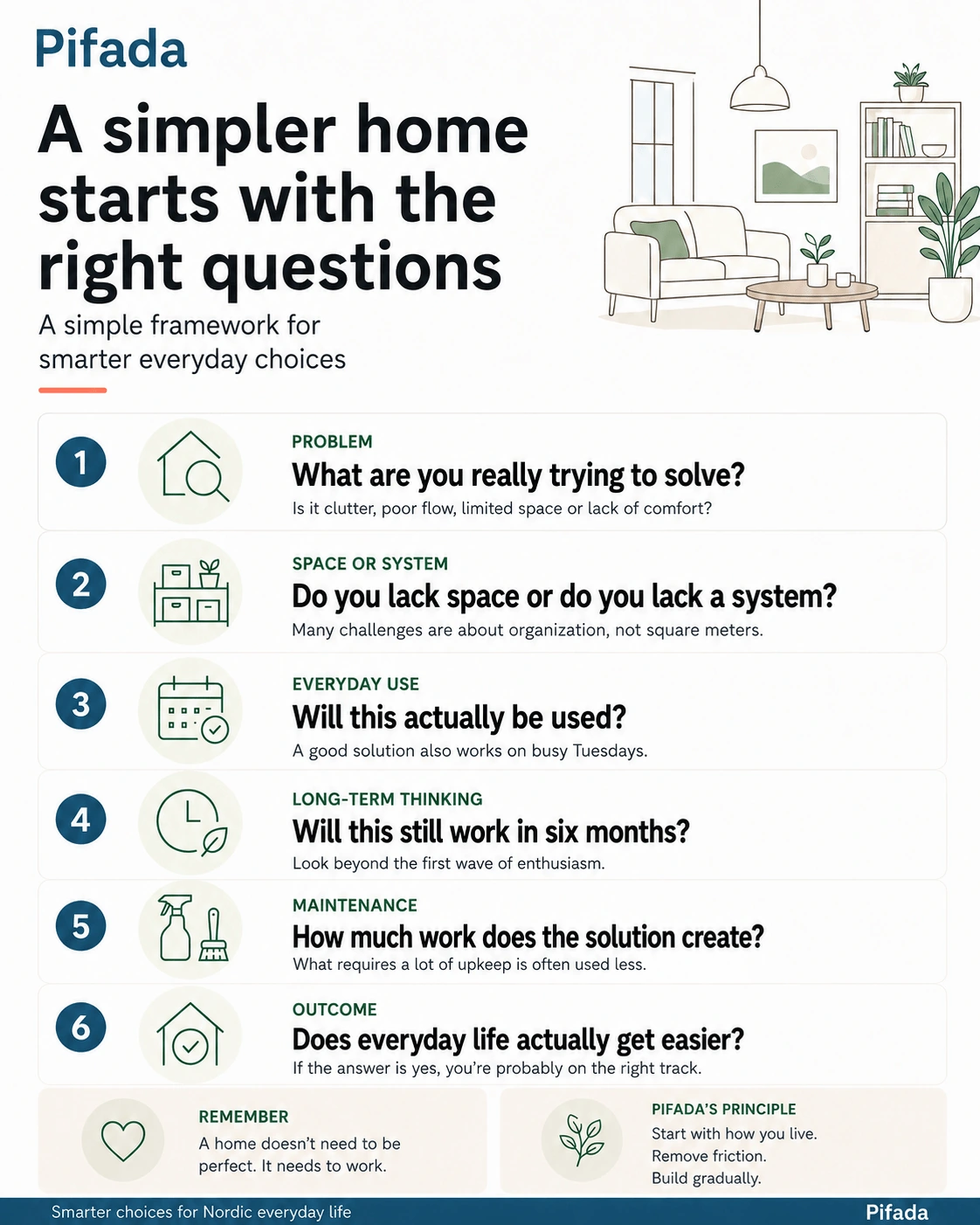
We often use five simple questions when thinking about changes at home.
- What problem are you actually trying to solve? It is easier to find a good solution when the problem is clear. Are you annoyed by clutter, poor lighting or lack of space?
- Is this a space problem or a system problem? Many homes have more space than we think, but less structure than we need.
- Will the solution be used in everyday life? What works for one week may not be what works for the rest of the year.
- Will this make your home easier to live in six months from now? Good solutions often save time and frustration after the novelty has worn off.
- How much maintenance will it require? The more follow-up a solution needs, the harder it is to keep it working over time.
Many poor solutions begin with a real problem, but end with the wrong answer. That is why we try to understand everyday life first — and the changes after that.
A Home Works Best When Everything Has a Place
Order is rarely just about owning more boxes, baskets or cabinets. Often, the real issue is that things do not have a natural place in the home.
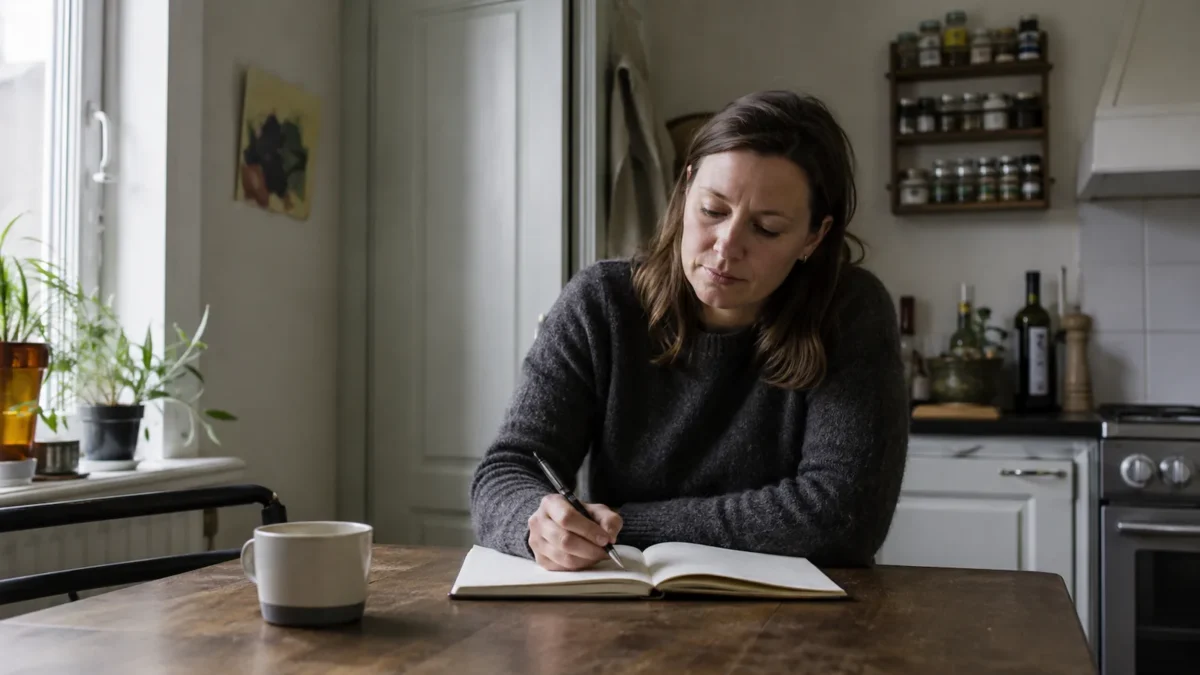
When something has no clear place, it tends to stay wherever it was last used. On the kitchen counter. In the hallway. On the chair that somehow became a wardrobe. This is not necessarily laziness. It is often a system that does not fit everyday life.
This is especially important in many Norwegian homes, where space can be limited and rooms often need to serve several purposes at once.
There is also a difference between storage and accessibility. Things you rarely use can be stored a little further away. Things you use every day should be easy to take out and easy to put back.
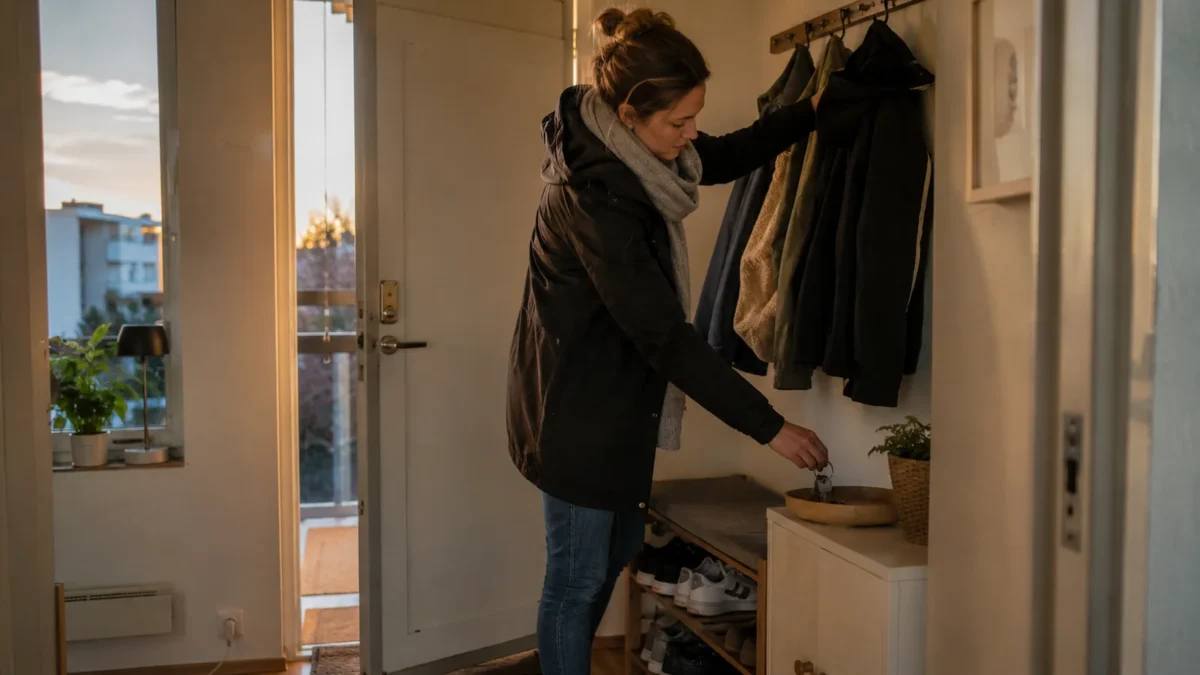
That is why we like small adjustments. A fixed place for keys. Better flow in the hallway. Less on the kitchen counter. It does not need to be a big project to make everyday life easier.
Later, we will write more about storage in small homes, smart solutions for entryways and hallways, and how to organize your home without buying more than you actually need.
Comfort Is About More Than Furniture
When people talk about comfort at home, they often think first of the sofa, the bed or how the room looks. But the feeling of a good home is shaped by much more than furniture and interior style.
In Norway, comfort is influenced by long winters, changing daylight, indoor air quality and how rooms are used throughout the year. Light affects how we experience a room during the day. Temperature can make an otherwise nice room feel pleasant or tiring. Noise, air quality and practical room use also matter more than many people expect. For further reading about indoor climate, see SINTEF’s work on HVAC and indoor climate.
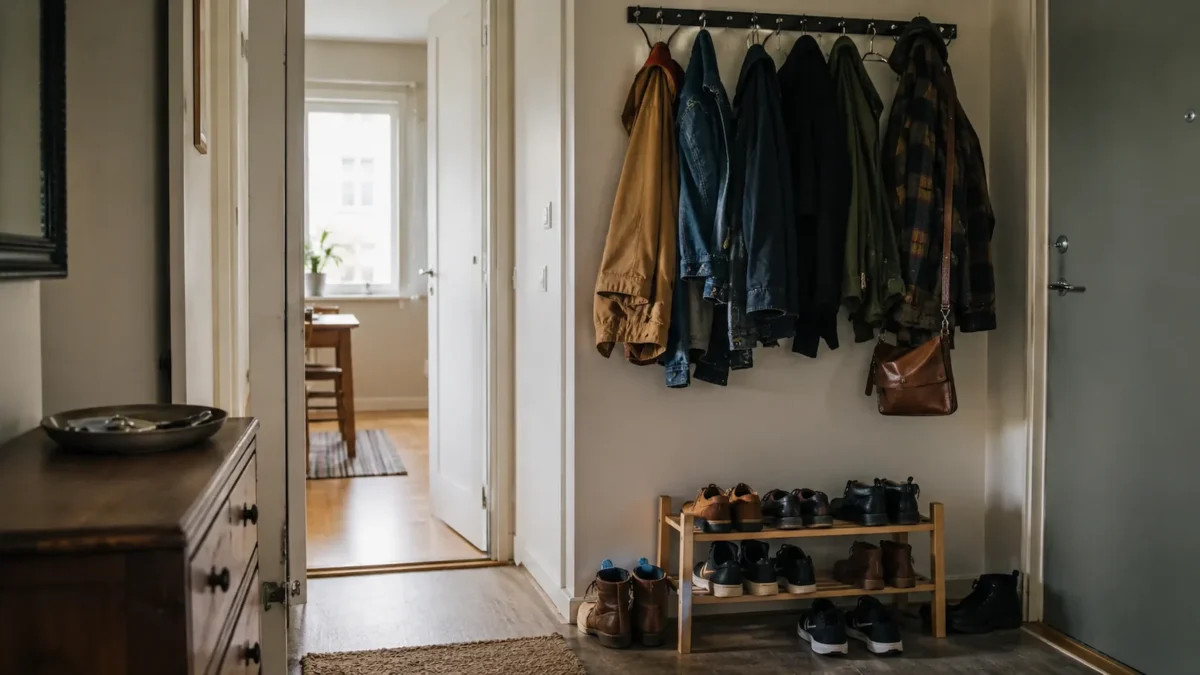
Comfort is often about how easy it is to live in the home. Do you need to move five things to reach what you need? Is there a place to put down the things you use every day? Does the room work just as well on an ordinary Tuesday as it does when it has been tidied for guests?
The most comfortable homes are rarely the most impressive ones. They are homes where many small choices work together. A little better light. A little less noise. A little better flow between rooms. Each change may seem small, but together they can make everyday life feel much easier.
Later, we will look more closely at better lighting at home, indoor climate in Norwegian homes and how to make small rooms more comfortable to use every day.
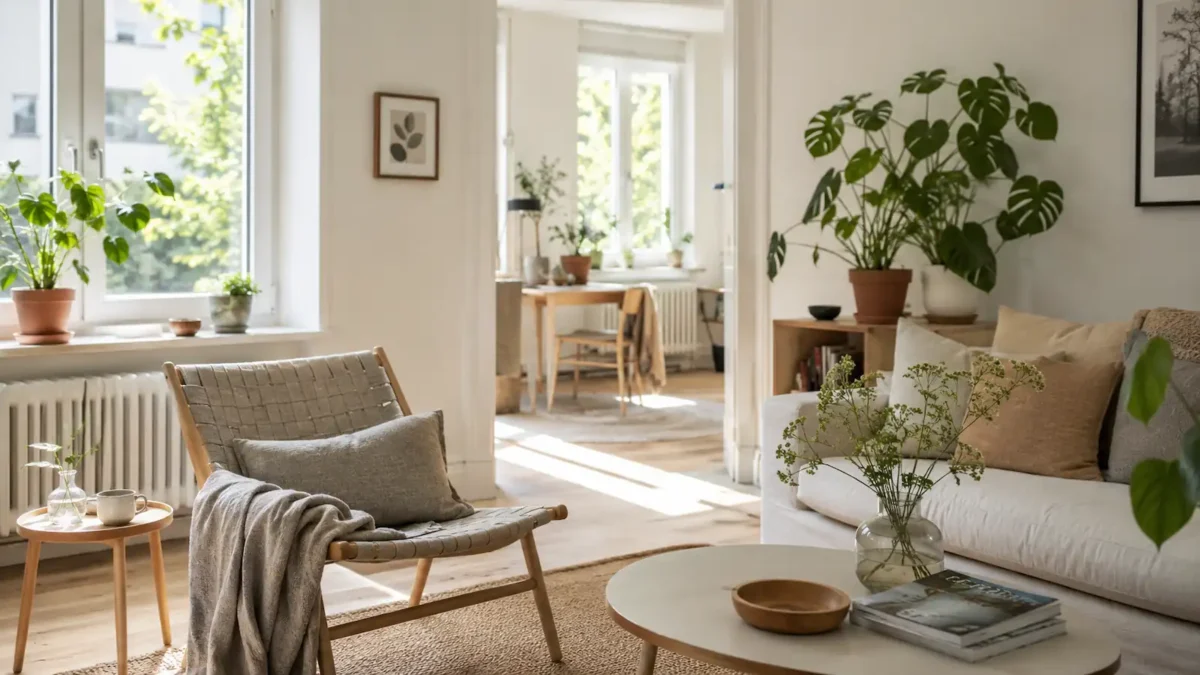
The Best Solutions Are Often the Ones You Hardly Notice
We often notice what does not work at home. Things that are in the way. Tasks that constantly need doing. Small irritations that return again and again. The opposite rarely gets as much attention.
The best solutions are often the ones you almost forget are there. The jacket lands in the right place. The things you use most are easy to find. Cleaning takes a little less time than before. Everyday life flows without you having to think too much about why.
That is why a well-functioning home is not only about what you own, but how things are organized. Practical placement, thoughtful storage and simple routines can make a bigger difference than many large projects.
When a solution needs a lot of attention in order to work, it often becomes difficult to maintain over time. Good solutions fit into life as it actually is, including busy days when nobody has extra energy to be perfectly organized.
At Pifada, this is an important principle. The goal is not to create a home that impresses for a few minutes. The goal is to create a home that works a little better every single day.
Later, we will look at smart kitchen solutions, how to make cleaning easier and which practical choices often work best in small homes.
A Home Changes Throughout Life
There is no single solution that works for every home. What works well in one life stage can feel inconvenient in another. Our needs change when everyday life, finances, space and the people around us change.
That is why we do not try to give one answer to what a home should be. We look instead at what the home needs to do for you right now.
Living Alone
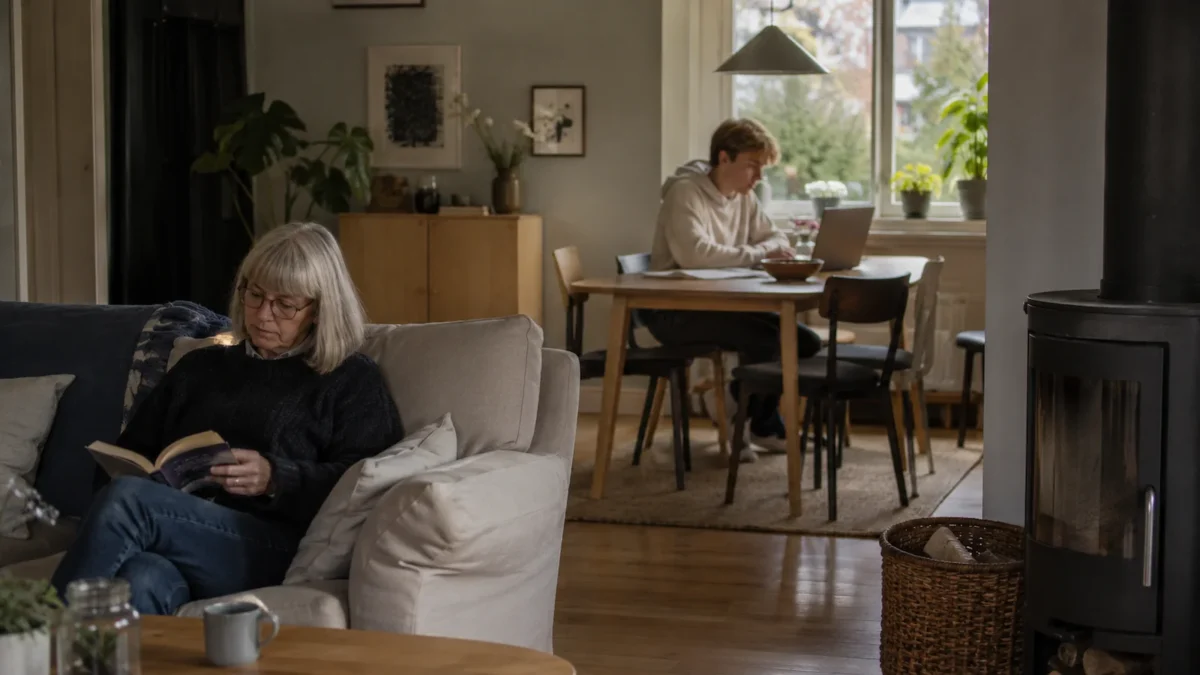
When you live alone, home is often about flexibility. The same space may need to support rest, cooking, exercise, hobbies and guests. Simple solutions become important: things that are easy to move, easy to use and easy to keep in order.
Sharing a Home With Others
When several people share the same home, the solutions need to handle shared use. Things should be easy to find, easy to put back and clear enough that one person does not become the household’s living search engine.
When Home Is Also Your Workplace
When the home is also used for work, the boundary between work and private life becomes especially important. It is not always about having a separate office. Often, it is about light, quiet, seating position and the possibility of putting the workday away when it is actually finished.
When You Want to Own Less
Owning less is not about managing without everything. It is about choosing more consciously. When fewer things compete for space and attention, it often becomes easier to see what you actually use, like and need.
Later, we will write more about home offices in small apartments, smart solutions for family life and how to own less without missing what makes everyday life good.
Why Many Homes Become More Complicated Than Necessary
Most people want a home that is easier to use. Still, many of us end up with the opposite. Not because we do everything wrong, but because it is easy to solve symptoms instead of causes.
Buying Before Understanding the Need
When something does not work at home, it is tempting to look for a quick fix. But if the problem is not clear, it is also difficult to find the right answer. Sometimes we need more space. Other times, we simply need an easier way to use the space we already have.
Solving the Same Problem Several Times
Many homes get new solutions without the old ones disappearing. After a while, there are several systems for the same task. The result is often more to manage, not less.
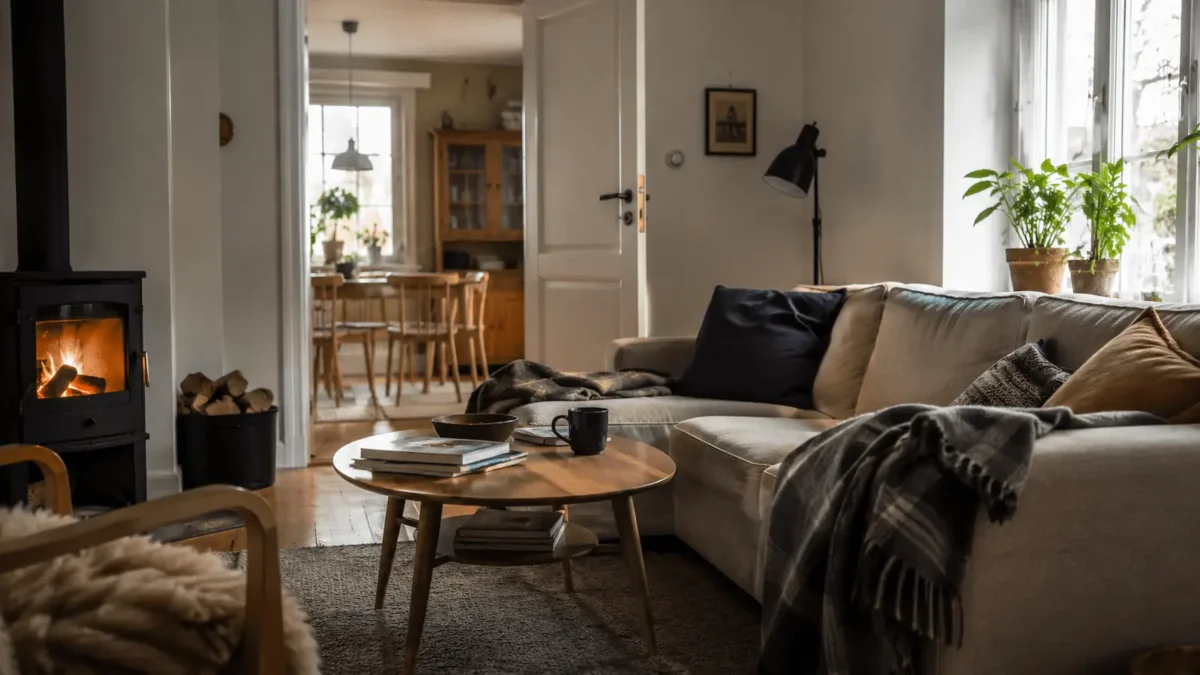
Organizing Without Simplifying
It is possible to spend a lot of time organizing without making everyday life easier. If the amount of things stays the same, or the system is too complicated, clutter often returns. Simplicity is usually easier to live with than perfection.
Choosing for Looks Alone
A home can absolutely be beautiful, but it still needs to work. When choices are made only because something looks good, the room can become harder to use in the way it is actually meant to be used. The most practical choice is not always the most visible one.
Forgetting What Actually Gets Used
We often plan for the ideal version of ourselves. The person who is always organized, always has time and always uses everything they own. Homes usually work better when they are adapted to the habits we actually have, not the habits we hope to develop one day.
A home rarely becomes more practical simply because it contains more solutions.
How We Think About a Home
There are many ways to furnish and organize a home. At Pifada, we are less interested in how a home should look and more interested in how it works for the people who live there.
Many homes in Norway are built around practicality. Storage matters. Energy use matters. Seasonal clothing matters. Everyday comfort matters. We believe good home decisions start with understanding how you actually live, not with copying someone else’s ideal home.
We would start with how you actually live. Not how you wish everyday life looked, but how it looks today. Which rooms do you use most? What already works well? Where do the small irritations keep coming back?
Then we would look for friction before looking for new solutions. Many home challenges are not about lacking things, but about small obstacles that make everyday life more inconvenient than it needs to be.
We would also prioritize the most important rooms first. The kitchen, hallway, bathroom or the place where you spend the most time. Small improvements in rooms used every day often matter more than big changes elsewhere.
When a solution first enters the home, it should work over time. Not just during the first week, but after months of normal use. The most durable solutions are often the simplest. For a broader perspective on consumption and resource use, you can read more from the Norwegian Environment Agency.
Finally, we would build the home gradually. Not because everything has to take a long time, but because good homes are rarely created in one weekend. They develop little by little, along with the life lived inside them.
A home rarely becomes better because you fill it with more. Often, it becomes better because you understand what actually makes everyday life easier.
How We Created This Guide
This article is a research-based guide to how we think about homes and everyday function at Pifada, with support from open consumer guidance and professional sources such as The Norwegian Consumer Council and SIFO at OsloMet. The goal is not to tell everyone how they should live, but to offer a practical framework for thinking about choices that affect everyday life at home.
This article is not a product test, an interior trend report or an advertisement for specific solutions. We have not reviewed products, brands or services in this guide.
When we cover topics related to the home, we pay particular attention to how solutions work in practice over time. We look at simplicity, comfort, use of space, maintenance and long-term everyday value.
To learn more about our editorial method, read How we review.
Frequently Asked Questions
What does home mean on Pifada?
On Pifada, home means the rooms we use every day. Not a perfect project, but a place that should support cooking, rest, work, storage, light, order and ordinary everyday life.
How can I make my home in Norway more practical?
Start with what annoys you most often. Look at where things gather, what is hard to find and which rooms you use most. Small adjustments in the right room can make more difference than large changes elsewhere.
What should I think about before buying something new for my home?
First ask what problem you are trying to solve. Is it about space, system, comfort or maintenance? A good purchase should make everyday life easier after the novelty has worn off.
Why do Norwegian homes often focus on practical solutions?
Because daily life in Norway is strongly influenced by climate, seasonal changes and the high cost of housing. Practical solutions often save both time and space.
How do I avoid filling my home with things I do not use?
Choose more slowly. Think about where the item will go, how often it will be used and what it might replace. If it does not have a clear place or function, it is often better to wait.
What matters most: function or appearance?
Both can matter, but function should come first in rooms used every day. A home can be beautiful, but it should not become harder to live in because everything needs to look a certain way.
How do I create more order at home?
Order often starts with giving things a natural place. What you use often should be easy to access. What you rarely use can be stored further away. A simple system is easier to maintain than a perfect system.
Can a small apartment in Norway work as well as a larger home?
Yes, often it can. A small home simply requires clearer choices. When space is used consciously, things have fixed places and rooms are not filled with more than they can handle, small homes can work very well in everyday life.
Sources and Further Reading
This guide is based on research, consumer guidance and open sources about housing, consumption, indoor climate and everyday use. Needs and solutions vary from home to home, and there is rarely one right answer for everyone.
- The Norwegian Consumer Council — useful further reading about consumer rights, purchases, housing, electricity and practical choices in everyday life.
- SIFO / OsloMet — research on consumption habits, households, everyday life and how people use products and resources.
- The Norwegian Environment Agency — useful further reading about sustainable consumption, resource use, waste and environmental considerations.
- SINTEF: HVAC and indoor climate — professional information about indoor climate, ventilation and how homes can function better over time.
- SINTEF Byggforsk — professional further reading about housing, maintenance, technical solutions and practical use of buildings.