Most people do not lack clothes. Still, many stand in front of the wardrobe in the morning and feel like they have nothing to wear. The problem is rarely that we own too little. More often, the clothes, shoes and accessories do not work well enough together, are not used as often as we thought, or simply do not fit the everyday life we actually have.
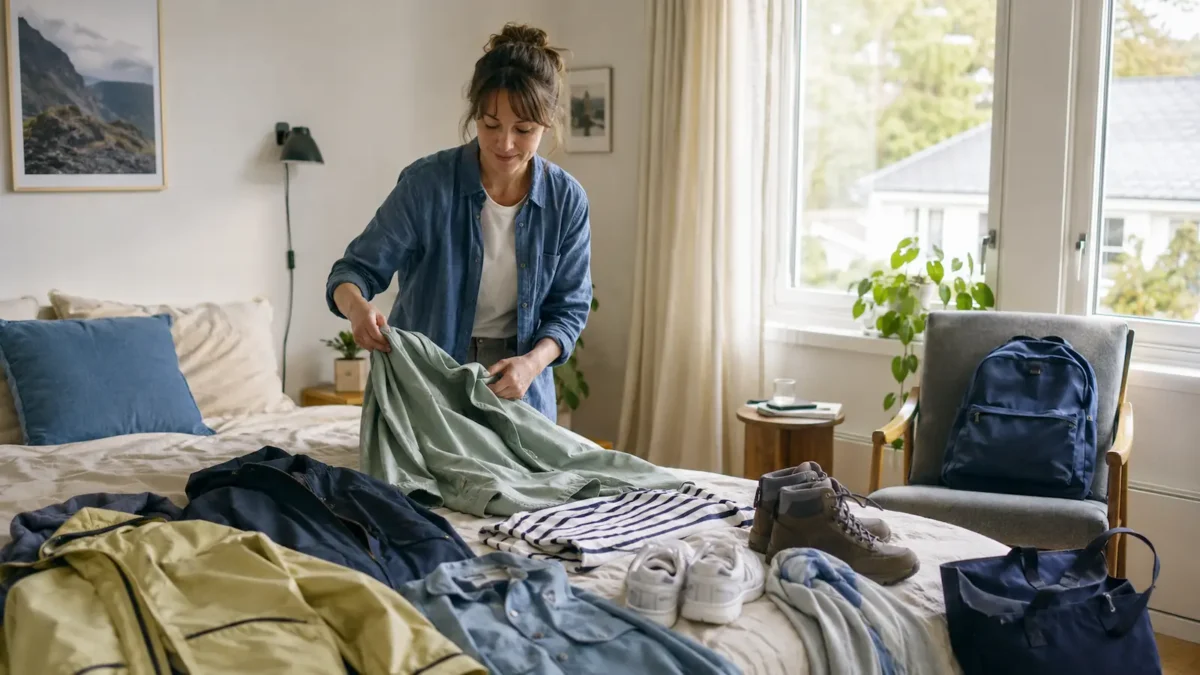
A good purchase is not necessarily about price, brand or what is popular right now. It is about how often you actually use it. A jacket that works for both work and free time, shoes that still feel comfortable after many hours, or a bag that makes the day a little easier can give more value than something that looks impressive in the shop but stays unused at home.
At Pifada, we care about choices that work in practice. This section is not about trends or seasonal must-haves. It is about how to choose clothing, shoes and accessories that fit your needs, your budget and the way you live.
Here you will find guides that help you think about quality, fit, materials and real use before you buy. The goal is simple: to make it easier to choose things you enjoy, use often and keep for longer.
Before you buy clothing, shoes or accessories
A good purchase starts before you add something to the basket. Not with finding the nicest item, but with asking whether it actually fits into your everyday life.
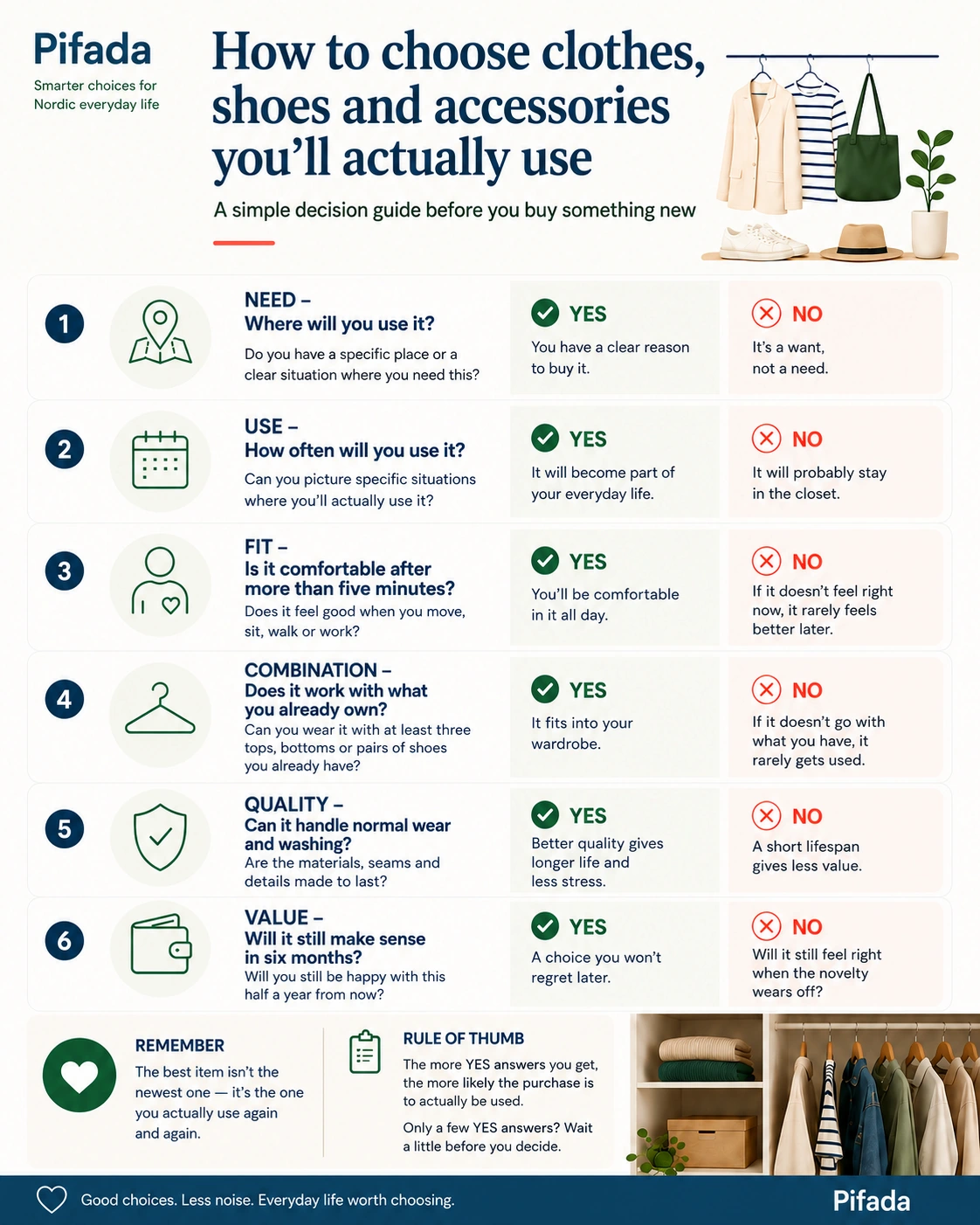
Before you buy clothing, shoes or accessories, it can help to pause for a moment and check these five things:
- Where will you use it? For work, free time, travel, a special occasion or ordinary everyday life?
- How often will you use it? Once a year is very different from three times a week.
- Does it work with what you already have? A good purchase should make the rest of your wardrobe easier, not harder.
- Is it comfortable enough for real use? Shoes that rub, trousers that pinch or a jacket you constantly have to adjust rarely become favourites.
- Would you still choose it in six months? If the answer is no, it may be more temptation than need.
Many bad purchases do not happen because the product is poor. They happen because it never quite fit the life it was meant to be used in.

How to choose clothes you actually use
Clothes that are used often usually have one thing in common: they fit in without too much effort. They do not require a very specific occasion, the perfect mood or three other new purchases to work. You put them on because they solve the day in front of you.
An item that only works for one situation can still be right. But if you often buy things that end up hanging unused, it is worth looking for clothes that can be used in more than one way. You get more out of fewer purchases, and the wardrobe becomes easier to use.
For women: pieces that work across situations
A good piece does not need to do everything, but it should work for more than one plan. A dress that works with boots for work and with smarter shoes for dinner, or a pair of trousers that works with both a shirt and a simple jumper, will often be used more than clothing that only fits one specific occasion.
Look especially at fit, fabric and whether the piece works with the shoes, jackets and colours you already use. If you have to buy three more things to make it work, it is rarely a simple choice.
For men: simple choices that cover more of everyday life
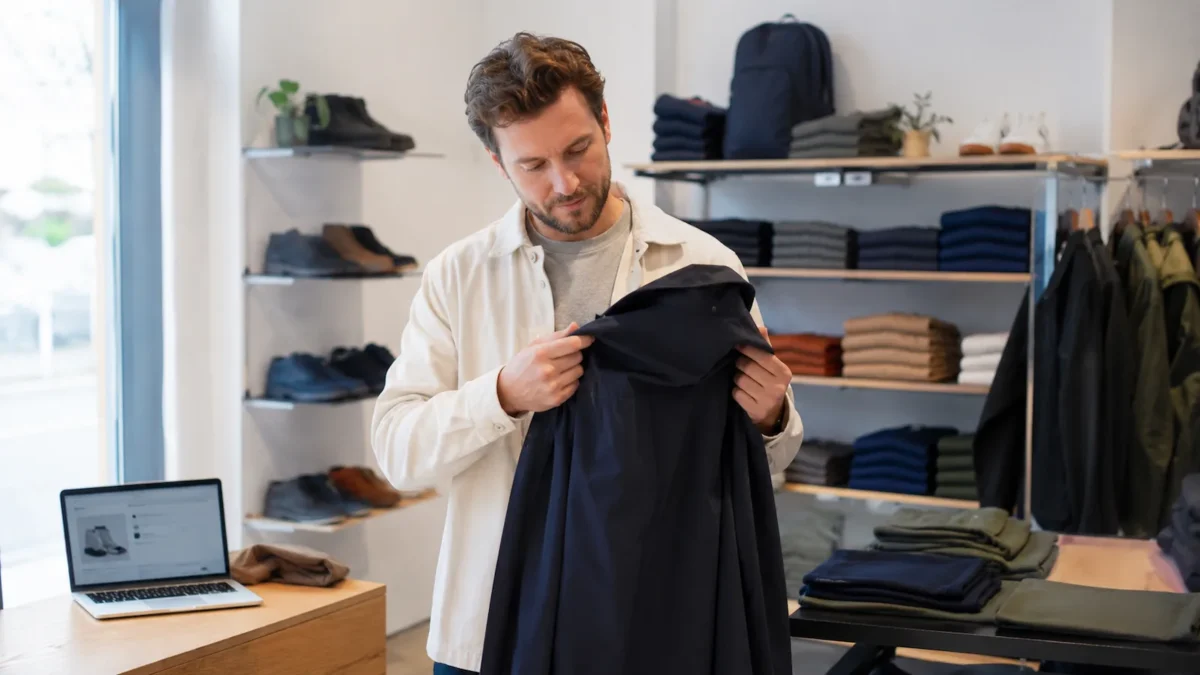
For many men, a wardrobe works best when it is easy to combine. A good shirt, a jumper that keeps its shape after washing, and trousers that work for both work and weekends can cover more of everyday life than many single-purpose purchases that are only used now and then.
The point is not to own a lot. It is to have enough of what is actually used. Check how the garment sits when you move, whether the material can handle regular washing, and whether it works with the shoes and outerwear you already have.
For children: clothes that handle growth, play and washing
Children’s clothes have to work a little harder than adult clothes. They need to handle kindergarten, school, packed lunches, outdoor play, the washing machine and sudden growth spurts. That is why it is often smarter to look for clothes that are easy to put on and take off, comfortable to move in and sturdy enough to be used many times.
It can also be worth thinking about whether the item can be adjusted, passed on or used across more than one season. For children, the most decorative clothes rarely give the most value in everyday life. The best ones are often the clothes that are actually worn without a battle by the door in the morning.
How to choose shoes for everyday life
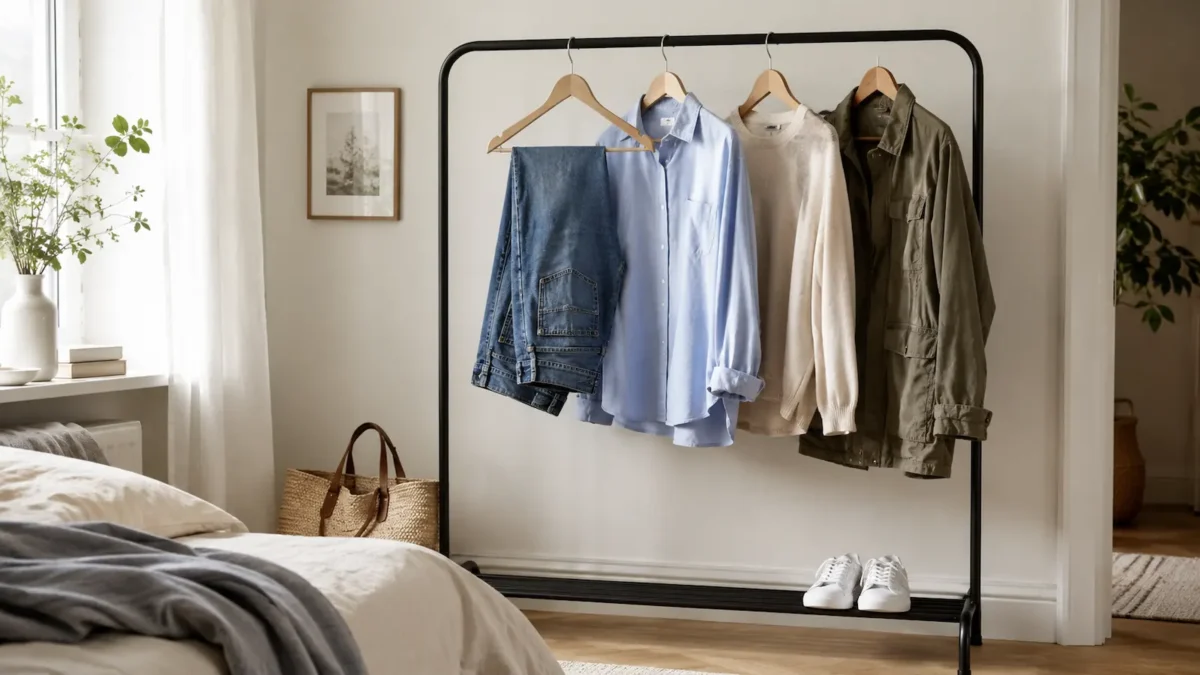
A pair of shoes can be used almost every day for years, or end up standing in the hallway after just a few outings. That is why shoes are often one of the purchases worth thinking through a little more carefully. What looks good in the shop does not necessarily feel as good after a long workday, a busy weekend or several hours on your feet.
Comfort does not mean giving up style. But shoes that fit your feet, your activities and the seasons you actually live in are usually used more than shoes chosen mainly for how they look.
For work and long days
If you walk a lot, stand for long periods or commute to and from work, it is worth prioritising comfort from the start. Small irritations often become bigger during the day. Shoes that feel good from the beginning usually give a better experience than models that need a long break-in period.
Also think about where the shoes will actually be used. Office work, retail, healthcare and other work environments often place different demands on comfort, support and durability.
For free time and activity
There is a big difference between shoes for a quiet everyday routine and shoes for walks, city days or travel. Many people get more value from choosing shoes by activity rather than trend. A pair that works well in the situations where you spend the most time is usually a better purchase than shoes that only fit a few occasions.
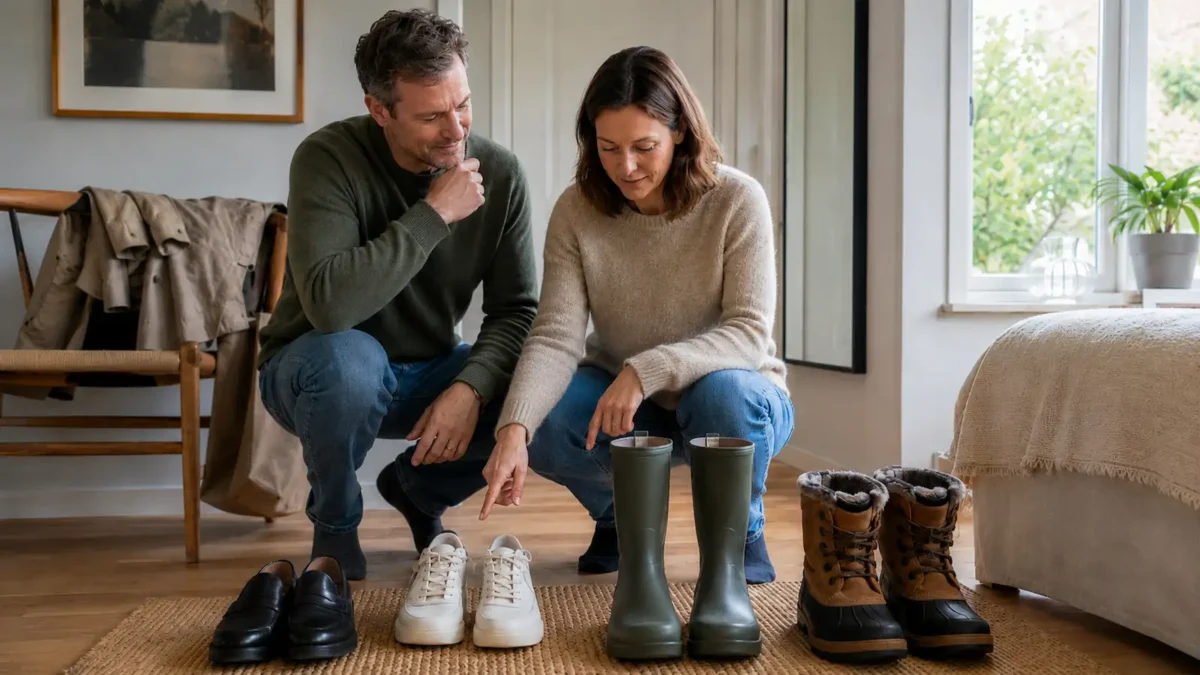
Before you buy, it can help to think about how many hours the shoes will be worn at a time, and what kind of surfaces you usually walk on.
For children and families
Children’s shoes need to handle a lot. They should be easy to put on and take off, work during activity and still leave room for feet that are growing. Fit is usually more important than both brand and design.
For families, it can also be useful to think about seasonal use and durability. Shoes that can be used through large parts of the year, or by more than one child, often give better value over time.
For different seasons
A pair of shoes that works well in July is not necessarily the best choice in November. Rain, slush, cold and warmth all place different demands on materials, grip and comfort. That does not mean you need many pairs of shoes, but it is worth choosing models that fit the climate and activities in the part of the year when they will be used.
When shoes fit both your feet and your everyday life, there is also a better chance that they will be used for a long time.
Accessories that do more than look good
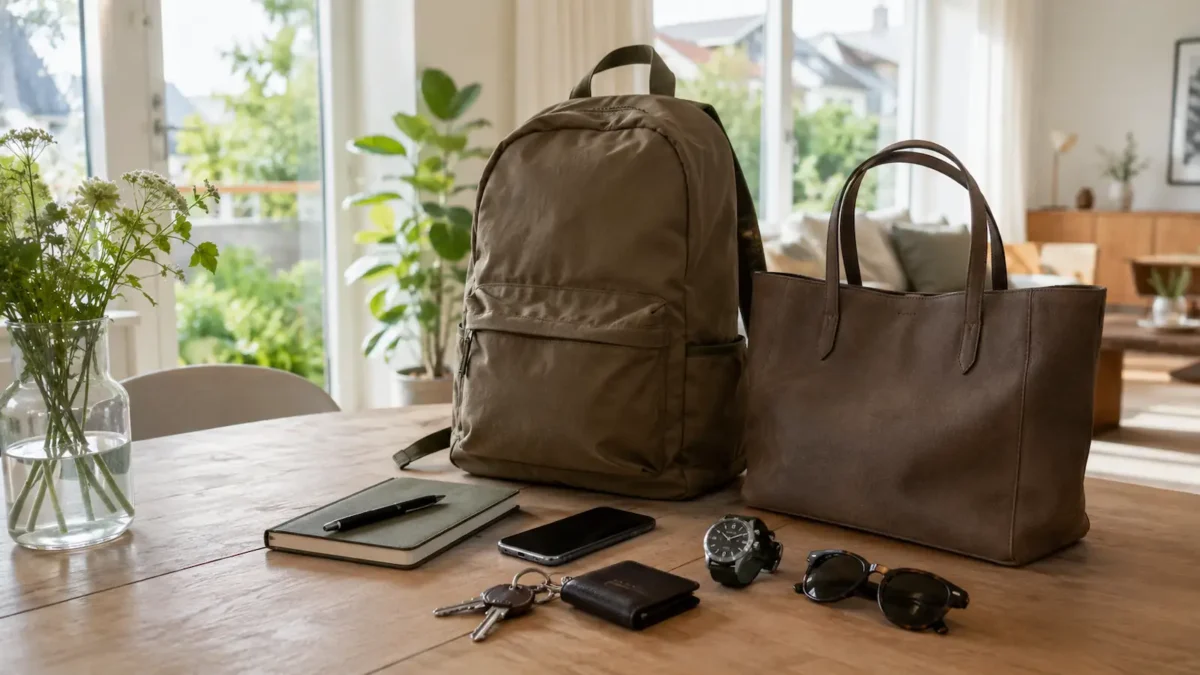
Many people spend more time choosing a jacket than the bag or backpack they actually carry every day. That is a bit of a shame, because accessories can matter more to everyday life than we often realise.
If you commute to work, there is a big difference between a bag that just fits a laptop and one that also has room for a charger, lunch, keys and the other things you need before you are home again. The same applies to backpacks. A model that works on the way to work, on trips and at the weekend is often a better purchase than one that only looks good in the product photo.
Belts, watches and sunglasses are small choices, but they can be used for many years. It often makes sense to choose something that works with much of what you already own and does not feel wrong after one season. It does not have to be expensive. It just has to be easy to use.
Before you buy accessories, ask what they are actually meant to solve. Should they carry more, make travel easier, keep your things organised or simply make an outfit feel calmer? When the answer is clear, it becomes easier to choose something you will actually use.
Quality, materials and fit
It is easy to assume that a high price means high quality. Sometimes it does. Other times, you are mostly paying for the brand. That is why it can be useful to look at the product itself before you look at the price tag.
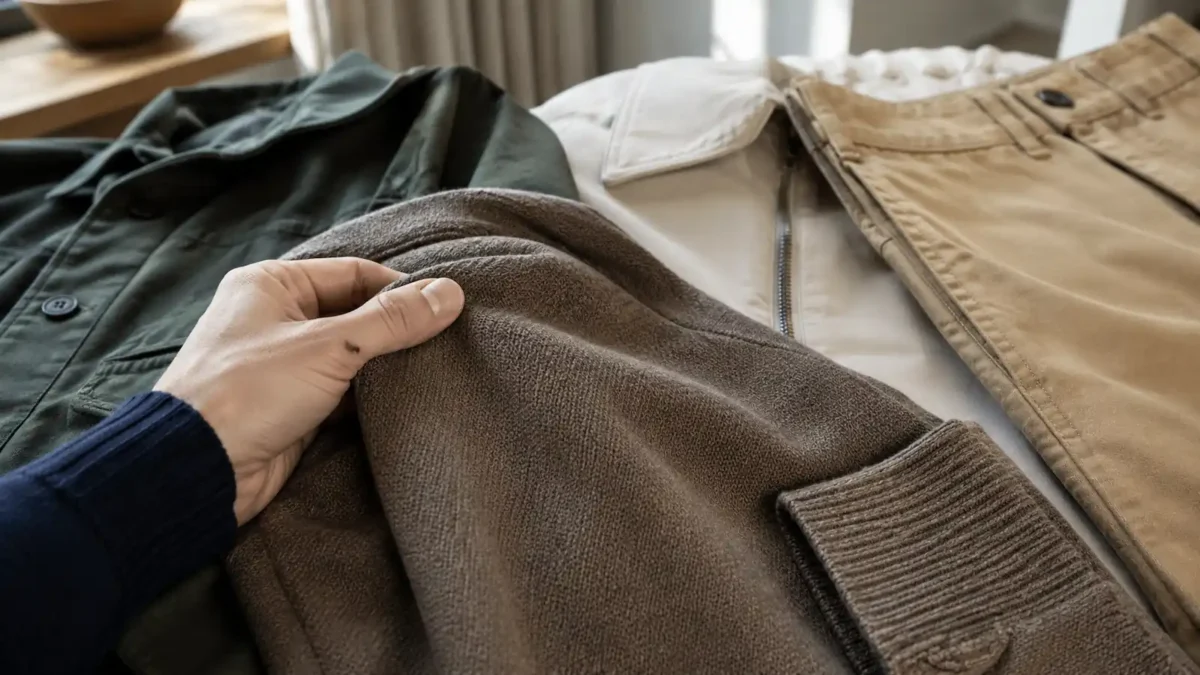
The material often says more than the name on the label. A jumper that keeps its shape after washing, a shirt that breathes well or a jacket that lasts through several seasons will usually give more value than something that looks good for the first month only. That does not mean one material is always better than another, but it is worth checking what the clothes are actually made of before you buy. If you want to see what environmental labelling can cover, Svanemerket explains its criteria for clothing and textiles.
Fit is just as important. Even a high-quality garment is rarely used if it feels too tight, too loose or does not work the way you want in everyday life. Many bad purchases are not about poor quality. They are about the item never feeling quite right to wear.
It can also pay to look at details such as seams, zippers, buttons and how the garment is constructed. These details often say more about expected lifespan than the marketing does. If something seems fragile in the shop, it rarely becomes more robust after a year of use.
Finally, think about care. Some clothes require little effort and handle frequent use, while others need more careful treatment. The best choice is not necessarily the garment that lasts longest in theory, but the one you will actually care for and use over time.
How to buy clothes and shoes online with less risk
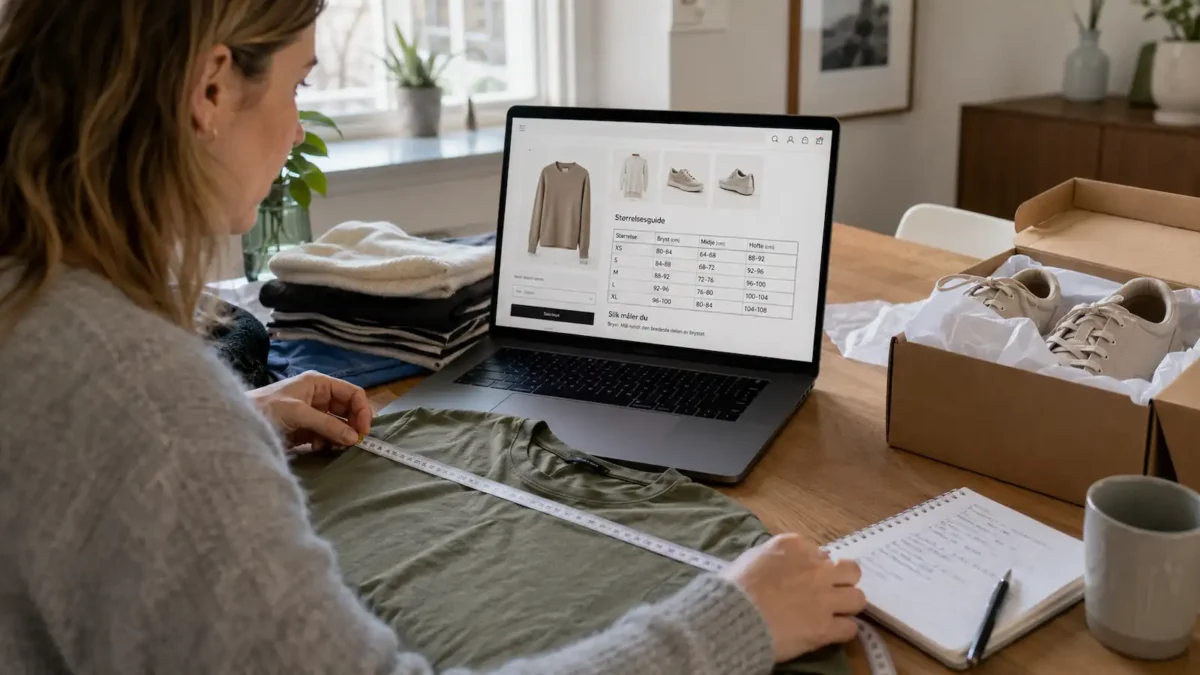
It has never been easier to buy clothes and shoes online. At the same time, this is where many bad purchases happen. A jumper can look perfect in the pictures, and the shoes can have good reviews, but that does not help much if the size is wrong or the material feels different from what you expected.
Before you order, it is worth spending a few minutes on the size guide. Many shops use their own measurements, and a size you usually wear from one brand can fit very differently from another. If the shop gives measurements in centimetres, it is often safer to use them than to rely on the size alone.
Look carefully at the product photos too. Photos that show the item from several angles, in use and on different body types often give a better impression than studio photos alone. Read the material description at the same time. A linen shirt behaves differently from a polyester shirt, even if they can look almost the same on screen.
Customer reviews can be useful, especially when several people mention the same things. If many write that the shoes run small or that the fabric is thinner than expected, that is information worth considering.
Finally, check the return terms before you buy. Even when you do careful research, fit and comfort can be difficult to judge in advance. Forbrukerrådet has advice on online shopping, including what you should check before buying and what to do if you want to complain. A simple return process makes it easier to shop online without being left with something you will never use.

Clothing and shoes for different needs
There is rarely one garment or one pair of shoes that fits everything. What works well for work is not necessarily the best choice for travel, weekends or a busy family routine. That is why it is often more useful to think about the situations the clothes will be used in than about what happens to be popular right now.
For work
The workday often sets the frame for what we use most. Comfort, fit and clothes that work through a full day usually matter more than details that only stand out at first glance.
For free time
Clothes for free time do not need to be complicated. The best choices are often the ones that are easy to wear, handle frequent use and suit the activities you actually spend time on.
For travel
When luggage space is limited, versatility matters. Clothing and shoes that can be used in several ways make it easier to pack less without feeling like you are missing something.
For family everyday life
For many people, everyday life means drop-offs, errands, work, activities and a calendar that rarely stands still. In that kind of routine, practical and comfortable clothes are often the ones used the most.
For special occasions
It can be tempting to buy something completely new for every occasion. Often, a garment or a pair of shoes that already works well can be a better choice than something used only once.
For those who want to own less
Many find that fewer, more considered purchases make the wardrobe easier to use. When clothing and shoes work together and cover more needs, it also becomes easier to get more out of what you already own.
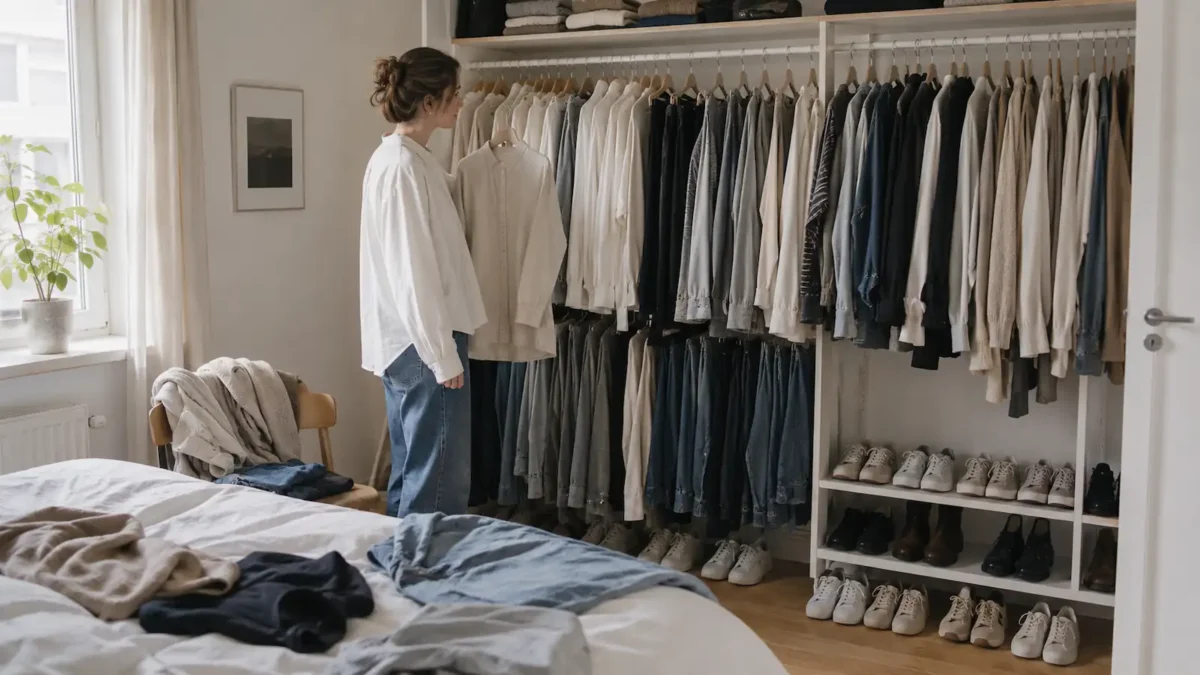
Common mistakes when buying clothing, shoes and accessories
Most bad purchases do not happen because the product is poor. Often, the purchase was made for the wrong situation, the wrong need or with slightly too much hope attached to it. These are some common traps worth noticing.
Buying for the person you hope to become
An expensive running jacket does not make it easier to go for a run. A blazer will not automatically be used just because it looked good in the shop. It is easy to buy for a version of yourself you would like to be, but the best purchases usually start with the life you actually live today.
Choosing trend over use
Some trends last a long time, others disappear quickly. If you like something and will use it often, it matters less whether it is popular right now. The problem starts when the purchase is driven mainly by the trend, not by the need.
Ignoring fit
Fit is one of the most common reasons clothing and shoes end up unused. Even good-quality products rarely become favourites if they pinch, rub or never feel quite right. Comfort is not a bonus. It is often what decides whether something is used at all.
Looking only at price
The cheapest option is not always the most affordable over time. If something needs replacing quickly or is never used, it matters little that it cost less. At the same time, the most expensive option is not automatically the best. If clothing or shoes break unusually quickly, Forbrukerrådet has guidance on clothing and shoes. The important thing is the balance between price, quality and actual use.
Buying almost the same thing several times
Many wardrobes contain several versions of the same purchase: the fifth black jumper, another pair of almost identical sneakers or a new bag that does the same job as the old one. Before buying something new, it is worth asking whether it adds something you actually miss, or simply replaces something that already works.
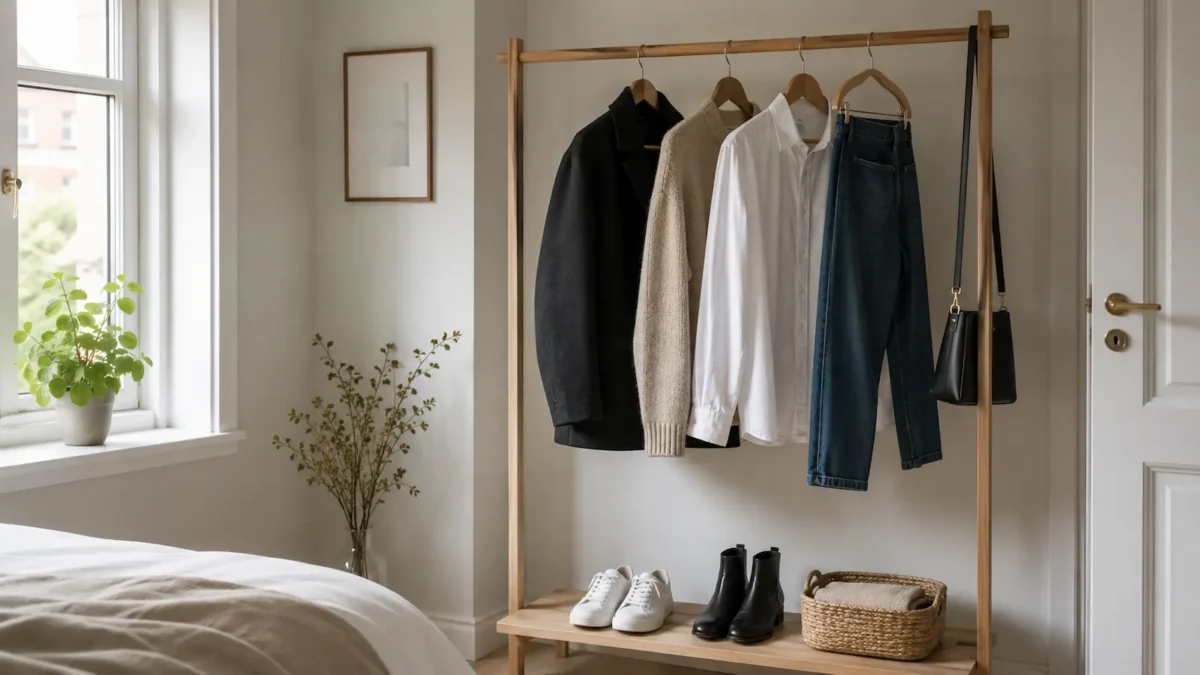
How we would choose
If we were clearing out a wardrobe, buying new shoes or finding accessories that actually get used, we would start with everyday life. Not with the wish list, not with the sale, and not with whatever looks best for five minutes on a screen.
- Start with everyday life. Look at what you do most: work, free time, drop-offs, travel, walks, social plans or quiet days at home.
- Buy what you will actually use. A garment used often gives more value than three things that only fit a rare occasion.
- Prioritise fit and comfort. Clothing and shoes that do not feel good in use rarely become favourites.
- Consider quality before brand. Look at material, seams, care and how the product handles ordinary use.
- Build gradually. You do not need to solve the whole wardrobe at once. Often, one right purchase is better than five quick ones.
Good style is rarely about owning more. Often, it is about choosing better.
How we have assessed this
This guide is based on research, consumer experiences and general assessment criteria that can help you make better choices. It is not a product test, and we have not ranked specific products or brands.
The goal is not to tell you what is fashionable or what you should like. Clothing, shoes and accessories are used differently from person to person, and what works well for one person is not necessarily the best choice for another.
When we assess products and categories within style, we give most weight to how they work in practice. We look at comfort, quality, versatility, expected lifespan and how much value you get back for the money you spend.
We believe the best purchases are often the ones that fit naturally into everyday life, are used often and stay relevant long after the newness has worn off.
Frequently asked questions
What does style mean at Pifada?
For us, style means choices that work in everyday life. That can be clothing, shoes or accessories that fit your needs, feel right to use and become a natural part of your life. We focus less on trends and more on what actually works over time.
How do I choose clothes that fit my everyday life?
Start with the situations where you spend the most time. Clothes for work, free time, travel or family life have different requirements. The more often a garment fits into the activities you already have, the more likely it is to be used.
What matters most: quality or price?
The most important thing is the value you get over time. An expensive garment that stays unused is rarely a good purchase. At the same time, a cheap garment can become expensive if it quickly loses its fit or has to be replaced. Look at quality, use and expected lifespan together.
How do I avoid bad purchases?
One simple question can help: can you imagine at least three concrete situations where you will use it? If the answer is unclear, it may be worth thinking once more before you buy.
What should I think about when buying shoes?
Comfort and fit should come first. Shoes are often worn for many hours at a time, and small irritations become noticeable quickly. Think about where and when the shoes will be used, not only how they look in the shop.
How can I buy clothes online more safely?
Check the size guide, read the material description and look through customer reviews before ordering. It is also smart to know the return terms in case the fit or size is not as expected.
How many clothes do you really need?
There is no single right answer. Needs vary depending on work, free time, family and interests. For most people, it is more important to have clothes that are used often and work well together than to own as much as possible.
Sources and further reading
This guide is based on public consumer sources and specialist resources about online shopping, clothing, shoes and textiles. The sources below are used to support the advice on safer purchases, returns, materials and more considered choices.
- Forbrukerrådet – general information about consumer rights, buying goods and what you can do if a product does not meet what was promised.
- Forbrukerrådet: Online shopping – advice on safer online purchases, returns, complaints and what to check before ordering goods.
- Svanemerket – information about textiles, materials and environmental labelling for readers who want to understand more about clothing and more sustainable choices.
- Tekstilforum – trade information and specialist content about textiles, materials and quality.